
Loose skin rarely appears all at once. More often, it shows up in the quiet ways women notice first – a softer jawline in photos, a hint of laxity above the knees, crepey texture along the abdomen, or skin that no longer seems to bounce back the way it used to. Skin tightening with XERF is designed for that in-between moment, when you want meaningful improvement without surgery, excess downtime, or results that look overdone.
For many women, that matters because skin quality is not just a cosmetic issue. It is tied to how clothing fits, how confident you feel in motion, and whether you still recognize your reflection as vibrant and strong. A well-chosen tightening treatment should respect that complexity. It should improve firmness while preserving natural contours, and it should be tailored to your body, your stage of life, and your goals.
What skin tightening with XERF actually does
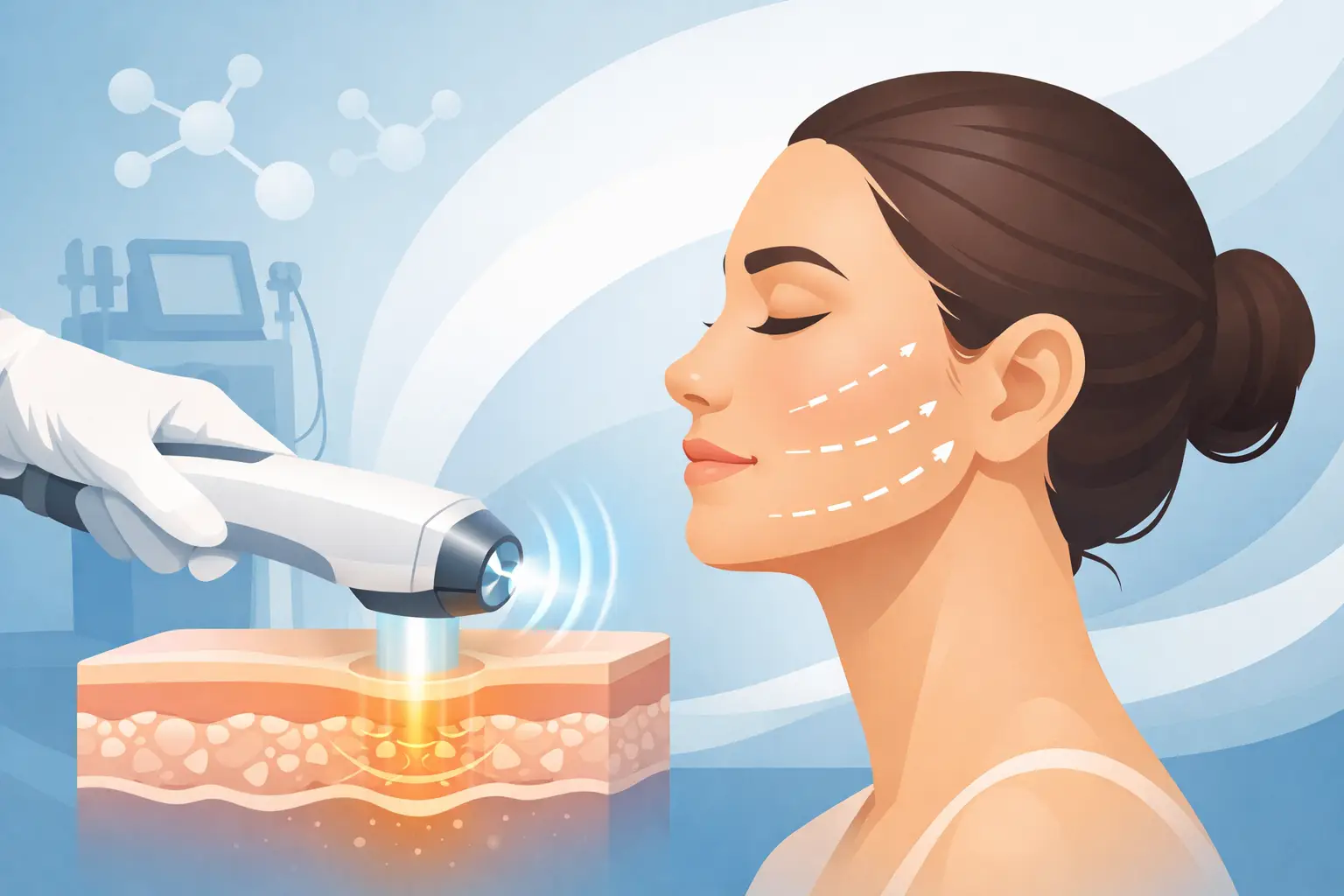
XERF is a non-invasive radiofrequency treatment designed to heat tissue in a controlled way. That heat reaches below the surface of the skin, where collagen remodeling takes place. Collagen is part of what gives skin its structure and resilience. As collagen declines with age, hormonal shifts, weight fluctuations, pregnancy, and sun exposure, skin can start to look thinner, looser, and less supported.
By delivering radiofrequency energy to targeted areas, XERF stimulates the tissue response that helps improve firmness over time. This is not an instant “lift” in the surgical sense. It is a progressive tightening process that supports the skin’s own repair and remodeling pathways. The goal is refinement – smoother texture, better tone, and a more sculpted appearance in areas where laxity has started to show.
That distinction is important. Women who are happiest with this type of treatment usually want to look refreshed, polished, and naturally well cared for. They do not want a dramatic change that announces itself.
Why women choose XERF instead of more aggressive options
There is a reason non-invasive tightening treatments continue to appeal to discerning patients. Surgery can be the right option for advanced laxity, but not everyone needs or wants that level of intervention. Many women are looking for something more measured – a treatment that fits into a full life, protects privacy, and still delivers visible improvement.
XERF often appeals to women who are seeing early to moderate laxity in the face or body and want a medically guided plan before the issue becomes more pronounced. It can also be a strong option for women after weight changes, after pregnancy, or during midlife transitions when collagen support changes more noticeably.
Another advantage is versatility. Skin tightening is rarely a single-area concern. A woman may be focused on her lower face, but also notice softness on the neck, upper arms, bra line, abdomen, or thighs. Treatments that can be customized to different zones are valuable because they address the reality of how aging and tissue change happen across the body, not just in one isolated place.
Where skin tightening with XERF can help most
Some of the most common treatment areas are the jawline, neck, lower face, abdomen, upper arms, thighs, and above the knees. These are areas where skin laxity often becomes visible before a woman feels ready for anything invasive.
On the face and neck, the benefit is usually a cleaner contour and a firmer look rather than a frozen or altered one. On the body, patients often appreciate the way tighter skin can make exercise results look more visible. Even subtle improvement can change how the midsection, arms, or legs appear in fitted clothing.
Still, the best area to treat depends on what is causing the concern. If the issue is primarily skin looseness, XERF may be a strong fit. If there is more significant volume loss, excess fat, or advanced tissue descent, a broader treatment plan may make more sense. This is where a thoughtful consultation matters. Good aesthetic care is not about forcing every concern into one device.
What treatment feels like
One reason women are open to radiofrequency-based treatments is that they are generally well tolerated. During XERF, patients usually feel controlled warmth as the energy is delivered to the treatment area. The sensation should feel purposeful, not alarming. Comfort matters, especially for women balancing work, family, and social obligations who want a treatment experience that feels efficient and manageable.
Sessions vary depending on the area being treated. Smaller facial zones can be relatively quick, while larger body areas naturally take more time. Some women notice mild redness or warmth afterward, but the recovery profile is typically far easier than anything surgical.
That lighter downtime is part of the appeal, but it should not be confused with triviality. Treatments that stimulate collagen remodeling are still doing meaningful work beneath the surface. Results build with time because tissue change takes time.
When results show up, and how long they last
This is one of the most common questions, and the honest answer is that it depends. Some women notice an early improvement in skin feel or subtle tightness relatively soon after treatment. More visible changes usually develop gradually over the following weeks and months as collagen remodeling continues.
The timeline depends on the treatment area, the degree of laxity, age, tissue quality, and whether a patient is doing a single session or a planned series. Lifestyle factors matter too. Smoking, sun exposure, poor sleep, significant weight fluctuation, and unmanaged hormonal changes can all affect how the skin behaves over time.
Results are not permanent, because the body continues to age. But that does not make them less worthwhile. Many women prefer an approach that can be maintained thoughtfully rather than corrected dramatically. In that sense, non-invasive tightening works well within a proactive, long-term strategy for aging well.
Who is a strong candidate
The best candidate is often a woman with mild to moderate skin laxity who wants visible improvement without surgery and values natural-looking outcomes. She may be noticing early jowling, softening along the neck, postpartum abdominal looseness, or skin that looks less firm after weight loss. She is not necessarily trying to look younger in a dramatic way. More often, she wants to look more like herself again.
Skin tightening with XERF can be especially attractive to women who value privacy and customization. A premium treatment experience should account for medical history, skin condition, body changes, and personal tolerance for downtime. It should also reflect where a woman is in life. A postpartum patient, a perimenopausal woman, and a patient after major weight loss may all describe “loose skin,” but their tissue needs and treatment plans may be quite different.
Not every patient is an ideal candidate. If laxity is severe, or if the expectation is surgical-level lifting from a non-invasive treatment, disappointment is more likely. The best outcomes happen when the plan is grounded in anatomy, not wishful thinking.
How XERF fits into a broader aesthetic plan
One of the smartest ways to think about tightening is as part of overall tissue quality, not as a stand-alone fix. Skin that is lax may also be dehydrated, thinner, uneven in texture, or affected by volume changes. In some cases, combining treatments thoughtfully creates a more elegant result than relying on one modality alone.
For example, a woman concerned about abdominal looseness may also benefit from body contouring support if there is a pocket of resistant fat. A patient focused on the lower face may need skin tightening, but also subtle neuromodulator treatment or collagen-supportive care depending on her anatomy. The goal is not to add procedures unnecessarily. It is to match the plan to the actual cause of the concern.
This is part of why medically led care matters. A refined result usually comes from restraint and precision, not from doing the most.
Questions worth asking before treatment
Before moving forward, it helps to ask what degree of improvement is realistic for your skin, how many sessions may be recommended, when results are expected, and whether another treatment would better address your goals. You should also understand how maintenance fits into the plan and what factors could limit your response.
A quality consultation should feel educational, not pressured. It should leave you with a clear sense of whether XERF is the right treatment now, or whether your concerns would be better served by another approach. At a clinic such as AgeRefine Clinic, that kind of customization is central to the experience because women deserve treatment plans that reflect their physiology, priorities, and standards.
For women who want firmer skin without sacrificing discretion or natural expression, XERF sits in a very appealing space. It offers a way to respond early, intelligently, and with nuance – so your reflection feels more aligned with how strong, polished, and vibrant you already are.
Leave a Reply